The speculation and vacancy tax (SVT) continues to help make more long-term housing available, according to the Province’s annual report for mayors in communities where the tax is in effect.
Findings suggest owners are changing their behaviour by moving in, renting out or selling their vacant properties.
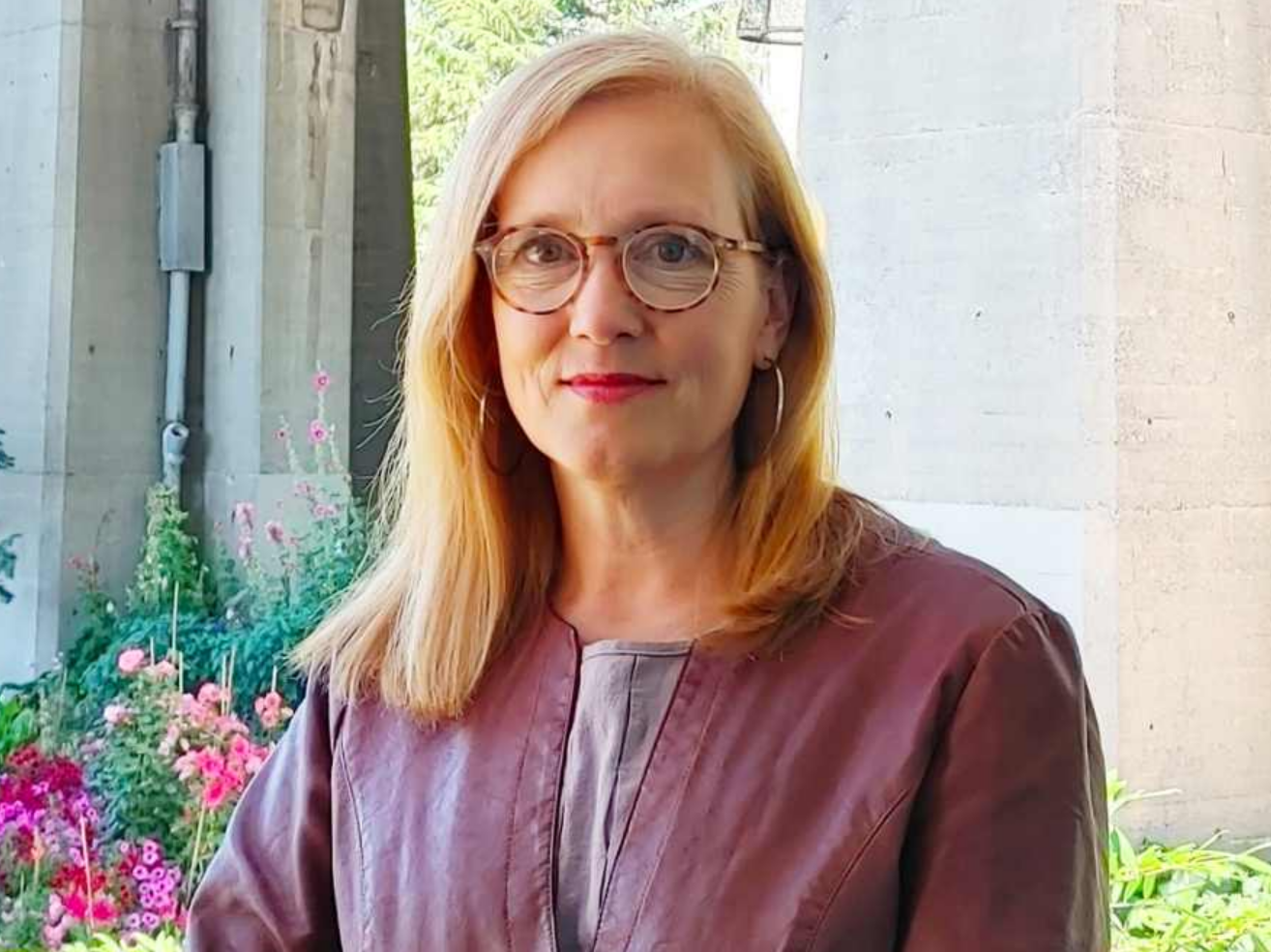
“Making housing more affordable is a top priority for our government, and this report shows that our policies like the speculation and vacancy tax are making a difference,” said Brenda Bailey, Minister of Finance. “We can’t afford to let B.C.’s housing market open to speculation. The speculation tax is making more homes available for British Columbians.”
More than 99% of property owners who live in B.C. did not have to pay the tax in its seventh year. The number of exemptions claimed for properties used as an owner’s principal residence or occupied by a tenant increased by almost 200,000, mainly due to the expansion of the tax to 13 new communities in 2024.
Funding more homes in B.C.
Revenue from the tax goes directly toward affordable housing initiatives in the regions where the tax applies. The tax raised $79.6 million in 2024, totalling $550 million since it was introduced. In the 2024-25 fiscal year, the B.C. government invested $1.9 billion toward housing in the SVT-specified areas.
Changes for 2026
The Province considers changes to the SVT every year to ensure the tax is working effectively for communities and freeing up homes for people in British Columbia. In its seventh year, changes coming to the SVT in 2026 include:
- As announced in Budget 2025, foreign owners and owners with most of their income unreported in Canada will be subject to a tax rate of 3% starting in the 2026 tax year, up from 2%. This is based on independent advice that increasing the SVT rates may further motivate people to use, rent out or put their empty homes on the market.
- Canadian citizens and permanent residents with empty or underused homes will pay a rate of 1%, up from 0.5%.
- The tax credit for B.C. residents will be increased from $2,000 to $4,000. The SVT tax credits are available to those who don’t qualify for the more than 20 exemptions from the tax.
Vacancy rates in the province have seen substantial increases in 2025, including in communities where the SVT applies, such as Kelowna, Chilliwack, Vancouver, Victoria and Abbotsford-Mission. A recent Rentals.ca report shows asking-rent prices are steadily declining in B.C., with particularly high declines in areas with SVT, such as New Westminster, Vancouver and Surrey.
With Canada ending its federal Underused Housing Tax, it is important for B.C. to continue to discourage speculation to help people access good housing. The speculation and vacancy tax is part of B.C.’s Homes for People plan, ensuring more people can find an affordable home in the communities where they live and work.
Quick Facts:
- Every year, the Ministry of Finance consults mayors from areas where the tax applies to share data and gather feedback.
- This data helps inform discussions about how the tax is working in the 59 communities where the tax applies.
- Together with other housing measures, the speculation and vacancy tax has helped add more than 20,000 units to the long-term rental market in Metro Vancouver since 2018.
- In 2024, condos were the housing type with the most non-exempt properties at 3,405 properties, followed by 2,240 detached homes and 962 townhomes.